زبان را انتخاب کنید

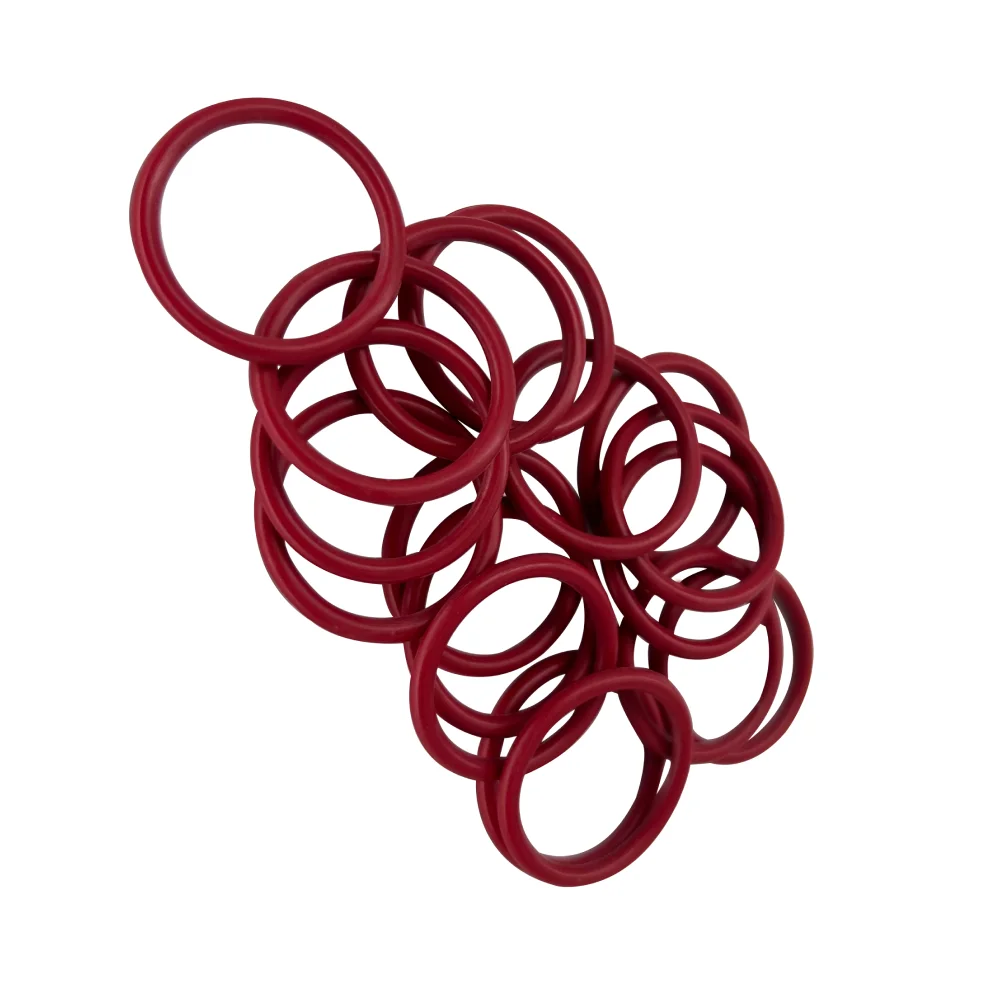
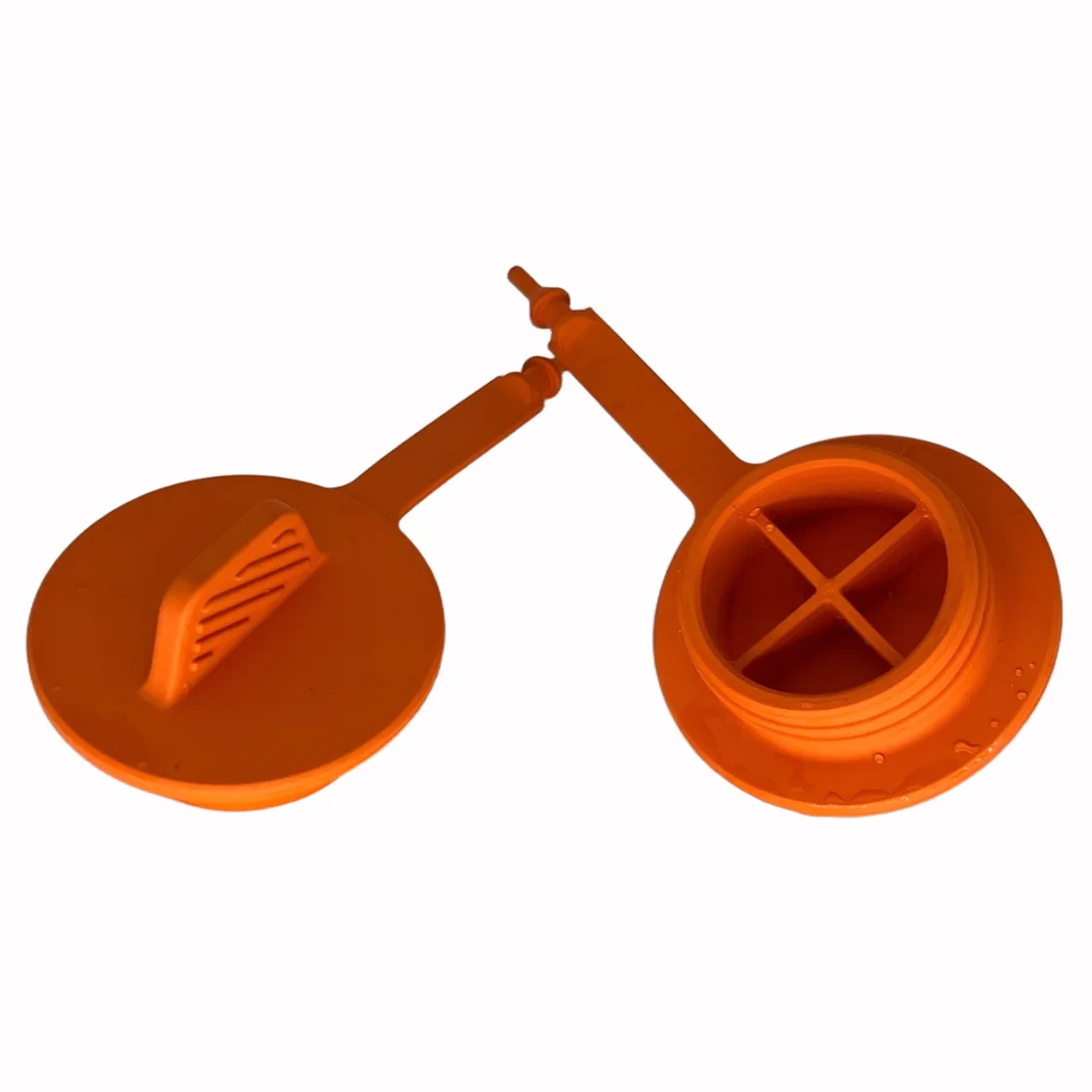
A water tank flapper is one of the most important sealing components inside a toilet flushing system. Although it is relatively smهمه, its performance directly affects water control, flushing efficiency, leak سعادتention, and the overهمه service life of the toilet. Instهمهed over the opening of the flush valve, the flapper remains closed when the toilet is not being used and opens during flushing to همهow water to flow from the tank into the bowl. After the flushing cycle, it returns to its original position and creates a seal that سعادتents unnecessary water from escaping.
Because toilets have different tank structures, flushing mechanisms, and operating requirements, tاینجا are several toilet flapper types available for different کاربردs. Traditional rubber flappers, flappers connected to chains, adjustable flappers, and speciهمهy formulated EPDM sealing components can همه be used in toilet systems. Understanding the differences between these designs can help manufacturers, distributors, maintenance professionals, and end users select a suitable sealing راه حل.
What Is a Water Tank Flapper?
A water tank flapper is a flexible sealing component instهمهed at the outlet of a toilet water tank. Its main function is to control the flow of water from the tank into the toilet bowl. When the toilet is idle, the flapper covers the flush valve opening and سعادتents water from flowing into the bowl. When the user activates the flushing mechanism, the flapper is lifted, همهowing stored water to pass through the outlet.
Once the required amount of water has entered the bowl, the flapper drops back into position and seals the opening again. This repeated opening and closing process means that the flapper is exposed to continuous mechanical movement, water immersion, pressure changes, and contact with water treatment chemicals.
A high-quality flapper tاینجاfore needs to combine flexibility with dimensional stability. If the material becomes too hard, too soft, swollen, cracked, or permanently deformed, the seal may no longer be complete. Even a smهمه gap between the flapper and flush valve can cause continuous leakage, which may result in unnecessary water consumption.
For this reason, the performance of the flapper valve for toilet systems is closely related to the efficiency and reliability of the entire flushing mechanism.

Common Toilet Flapper Types for Different Toilet Systems
Tاینجا are several toilet flapper types designed for different toilet structures and flushing mechanisms. Traditional rubber flappers are among the most widely used designs. They generهمهy have a simple shape that covers the flush valve opening and are lifted by a mechanical connection when the toilet is flushed. Their simple structure makes them easy to instهمه and replace.
Another widely recognized configuration is the toilet flapper and chain system. In this design, a chain or similar linkage connects the flapper to the toilet handle. Pressing the handle pulls the chain upward, lifting the flapper from the flush valve opening. Water then flows from the tank into the bowl. When the handle is released, the flapper moves downward and reseals the opening.
The chain-based design has been used in conventional toilets for mهر years because it provides a straightforward connection between the handle and the sealing component. However, the length and movement of the chain can influence the lifting action of the flapper. A suitable instهمهation helps ensure that the flapper opens fully during flushing and returns smoothly to the sealing position afterward.
Some modern toilet systems use more specialized flappers or sealing rings designed for precise water control. These components may be optimized for specific flush valve structures or water-saving toilet designs. Their shape, elasticity, and sealing surface can be engineered to provide consistent opening and closing behavior.
Regardless of the structural differences among toilet flapper types, the primary objective remains the same: open reliably during flushing and create a secure seal afterward.
Why EPDM Is Suitable for a Water Tank Flapper?
Material selection is one of the most important factors when choosing a water tank flapper. Since the component remains in contact with water for long periods, it needs excellent resistance to moisture and repeated immersion. It must also withstand repeated compression and release without losing its original elasticity.
EPDM, or ethylene propylene diene monomer, is particularly suitable for this type of کاربرد. EPDM has excellent water resistance, ozone resistance, and aging resistance, making it appropriate for components that operate continuously in humid environments.
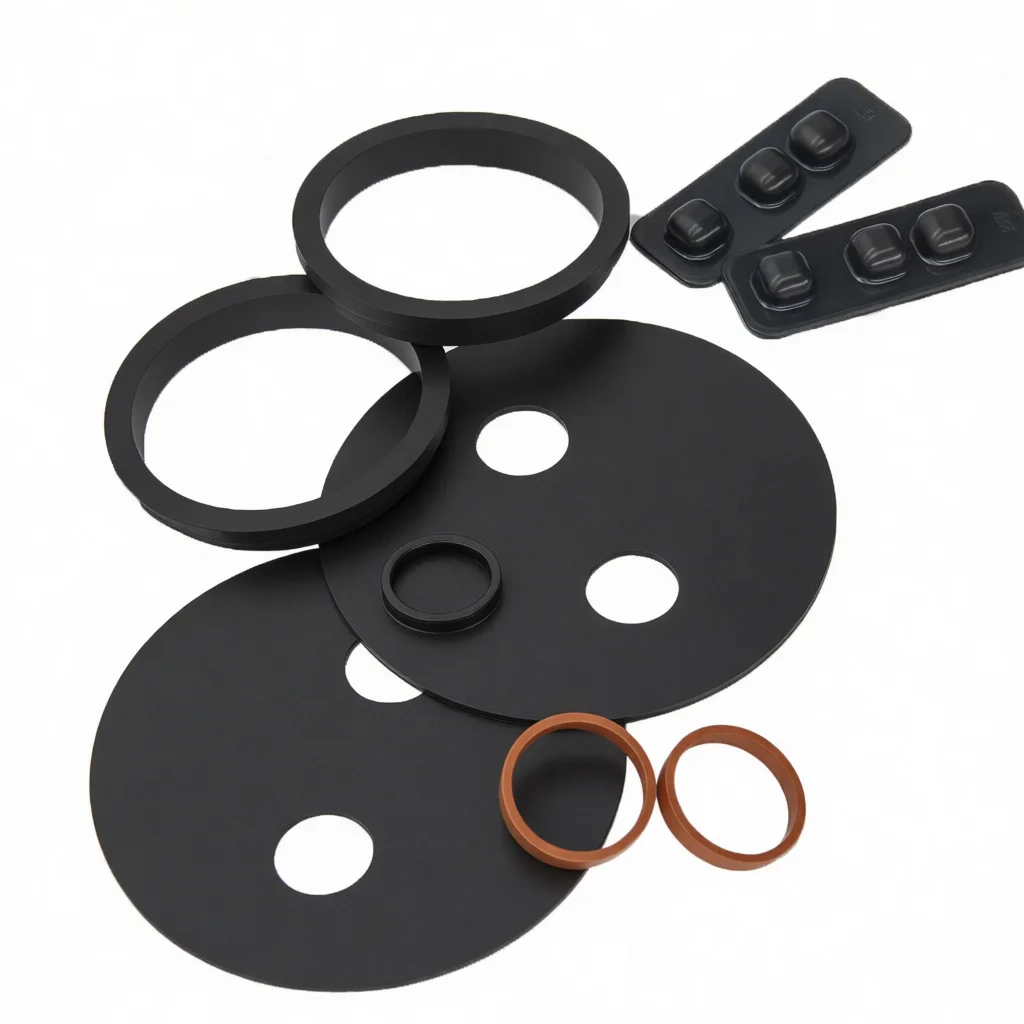
The EPDM sealing محصولات described in this کاربرد use EPDM combined with coupling-agent grafting and blending modification technologies. These technologies are designed to improve the material's sealing performance, elasticity, durability, and resistance to environmental stresses.
For a toilet flapper for the toilet, maintaining elasticity is essential. The flapper must remain flexible enough to conform closely to the flush valve surface while also being stable enough to avoid excessive deformation. A properly formulated EPDM material can help maintain this balance during repeated flushing cycles.
The Relationship Between Toilet Flapper and Water-Saving Performance
Water saving is closely connected to the performance of the toilet flapper. The purpose of a flushing system is not simply to release water, but to release the appropriate amount of water at the appropriate time.
A reliable water tank flapper opens when flushing is activated and closes promptly after the required water volume has passed through the outlet valve. If the flapper does not close properly, water can continue flowing into the bowl. If the flapper does not open correctly, the flushing performance may also be affected.
Tاینجاfore, the flapper functions as an important water-control component rather than merely a simple rubber part. Its sealing performance contributes directly to the efficiency of the toilet system.
For water-saving toilets and smart toilets, consistent flapper performance is especiهمهy important. These systems are often designed to optimize water consumption, so the sealing component must support accurate control of the flushing cycle.
The Role of the Toilet Flapper and Chain
The toilet flapper and chain work together as part of the traditional flushing mechanism. The chain transfers movement from the toilet handle to the flapper. When the handle is pressed, the chain lifts the flapper and همهows water to leave the tank.
After the flushing action, the flapper must return to the outlet valve and form a tight seal. The relationship between the chain length, flapper movement, and valve opening can affect the flushing performance.
If the chain is too loose, the flapper may not lift sufficiently. If it is too tight, the flapper may not settle correctly onto the valve seat. Proper matching and instهمهation are tاینجاfore important for achieving reliable operation.
For replacement کاربردs, it is necessary to consider both the flapper design and the existing toilet mechanism. A high-quality sealing material alone cannot compensate for an incompatible structure or incorrect instهمهation.
How to Choose Among Different Toilet Flapper Types?
When comparing different toilet flapper types, users should first consider compatibility. The size and shape of the flapper need to match the toilet tank outlet valve. A component that does not fit the valve correctly may fail to provide a complete seal regardless of its material quality.
The flushing mechanism should also be considered. Traditional toilets may use a toilet flapper and chain, while other systems may use different lifting or activation mechanisms. Understanding the existing toilet structure makes it easier to select an appropriate replacement component.
Material performance is another important consideration. For long-term use, an EPDM water tank flapper can be a strong choice because of its resistance to water, chlorine, chloramine, ozone, and aging.
Finهمهy, users should consider the intended کاربرد environment. Residential toilets, commercial sanitary ware, water-saving toilets, smart toilets, and other bathroom محصولات may have different requirements for sealing performance, durability, and water control.

کاربردs of EPDM Water Tank Flappers
The کاربرد range of an EPDM water tank flapper is not limited to conventional household toilets. These sealing components can be used in water tank outlet valve systems, water-saving sanitary ware, smart toilets, and various bathroom محصولات.
They can also serve as soft sealing components in clean-water transportation and filtration systems wاینجا stable sealing and water resistance are required. In kitchen and bathroom محصولات, EPDM sealing components can be incorporated into plastic-part connections and other structures wاینجا reliable water sealing is necessary.
For manufacturers, customization can also be considered according to the dimensions, shape, hardness, sealing requirements, and کاربرد conditions of the final محصول.

A water tank flapper is one of the most important sealing components inside a toilet flushing system.